Sink Into Shadows: Crafting a Cozy Underground Glow at Home

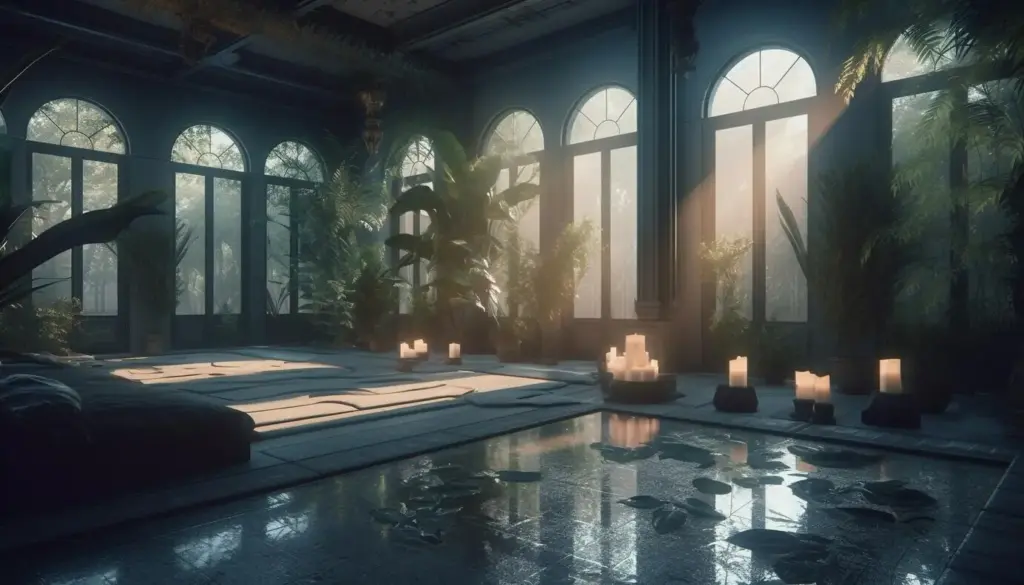
We’re exploring layered, low-light techniques to evoke a subterranean ambience at home, shaping comfort with gentle dimming, hidden sources, and tactile materials that let darkness breathe. Expect practical layouts, small-space tricks, color-temperature tuning, and safety tips, alongside stories from rooms transformed into quiet caverns where eyes relax, voices soften, and evening rituals naturally slow.

Building the Dim: Layers That Let Shadows Breathe

Begin by treating light like sound: build bass, mids, and treble without crowding the silence. A soft ambient base anchors mood, discreet task pools protect function, and accents sculpt edges. By stacking intensities, offsets, and textures, you invite depth, reduce glare, and create a grounded hush that feels satisfyingly subterranean yet comfortably livable.

Ambient Base at Ember Temperatures

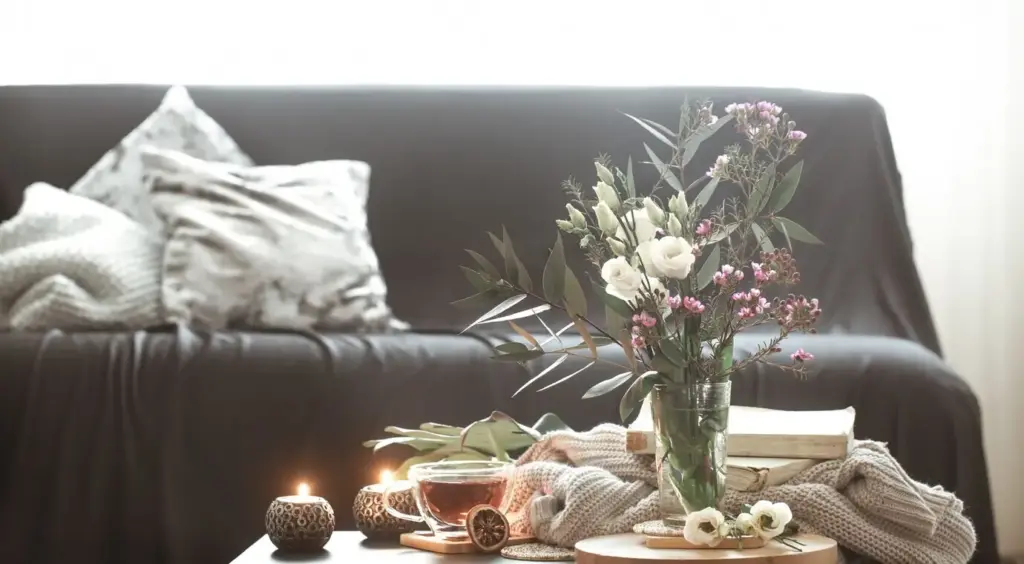
Start with warm, low ceilings of glow around 1800–2400K, using shaded lamps, concealed strips, or upward bounce to soften contrast. Dim to the lowest comfortable level, usually ten to twenty percent, then let walls and fabrics absorb excess brightness so the room rests in a hushed, breathable darkness.

Task Islands That Don’t Break the Spell

Protect reading, chopping, or crafting with tight, low-glare pockets that hover at modest brightness, ideally five to fifteen lux at the surface. Narrow beams, visors, and cloth shades keep spill controlled, preserving the surrounding dim while your hands, eyes, and posture remain happy, accurate, and relaxed.

Accents for Texture, Silhouette, and Depth

Use wall grazing across brick, limewash, or wood grain to awaken relief without loud highlights. Backlight plants, art, or shelves to suggest shapes instead of broadcasting details. Favor asymmetry, leaving deliberate voids where shadows pool, so movement feels exploratory, intimate, and delightfully cave-like as nightly routines unwind.

Stone, Wood, and Matte: Surfaces That Drink Light

Amber Clocks: Color Temperature, CRI, and Night Psychology

Color guides emotion under dim levels. Aim for 1800–2700K sources with 90+ CRI for skin tones and art that stay true while remaining soothed. Warmer spectra reduce alerting blue, easing melatonin suppression. Mix a couple of distinct whites to add depth, yet keep overall vibration calm, grounded, and slow.

Bulbs and Strips That Behave After Sunset

Choose dim-to-warm LEDs, vintage-style filament lamps, or programmable strips set to 2200K evenings and 2700K earlier nights. Confirm high CRI and low flicker; many drivers specify flicker percentages. Your eyes will thank you, and photos of gatherings will look comforting, cohesive, and timeless rather than icy or harsh.

Layering Two Whites for Depth

Pair a very warm 2000–2200K ambient with a slightly cooler 2600–2700K task or accent. The subtle contrast makes materials read with quiet intention, like candle ember against dusk. Keep both sources dimmed, so the room remains calm while edges, grains, and textiles gain gentle, legible presence.

Sconces, Strips, and Hidden Sources

Fixture choice and placement decide whether the room whispers or shouts. Mount low where possible, bounce into walls or ceilings, and hide emitters behind lips, valances, or plants. Control glare meticulously; a single bare diode can undo hours of intention. Cable management and reliable dimmers complete the hush.

Concealment and Bounce Techniques

Use crown coves, deep shelves, fabric valances, and channel diffusers to hide points while painting broad planes. Aim strips toward plaster or timber, not eyes. Add snoots or barn doors on spots, and try paper lanterns huddled low to scatter light gently like fog rolling along an old tunnel.

Floor-Level Guidance and Safety

Install toe-kick LEDs under cabinets or sofas, and low step lights at stair rises. Keep circuits on independent dimmers for whisper-bright cues during late returns. Round cord paths, anchor rugs, and ensure switches are reachable so the atmosphere remains soothing while bodies move securely, unhurried, and confidently through darkness.

Two Rooms, One Descent: Before-and-After Tales

Real spaces teach best. We gathered notes from transformations where bright, echoing rooms learned to murmur. The alchemy was patient layering: less wattage, more intention, richer materials, and calmer rhythms. Numbers mattered, but feelings led, and each corner began inviting slower breath, softer steps, and longer, kinder conversations.
We killed the ceiling can glare, added two shaded floor lamps, a cove strip at 2100K, and a dark wool rug. Brick received a gentle graze; the coffee table moved off axis. Volume dropped, edges softened, and guests instinctively spoke closer, savoring stories like embers shared hand to hand.
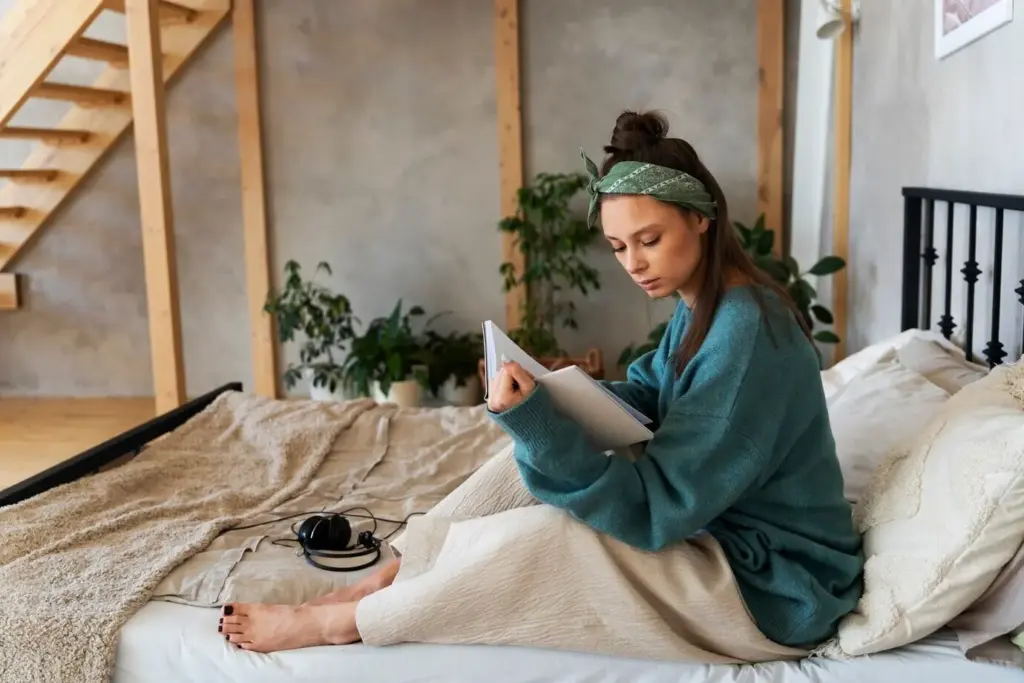
A thrifted shade, a clip-on reading light dimmed to a whisper, and a linen curtain transformed a chaotic corner into a cocoon. A battery strip under the bench marked toes after midnight. With clutter edited and surfaces matte, the city receded, and time felt rounded, unpressured, and generous.
We replaced blue-heavy bulbs with dim-to-warm lamps, added blackout layers, and set a smart dimmer to ramp down from twenty percent to one percent over forty minutes. A single amber marker along the path to water kept safety intact while dreams arrived sooner, deeper, and more kindly.

Beyond Light: Rituals, Sound, Scent, and Care

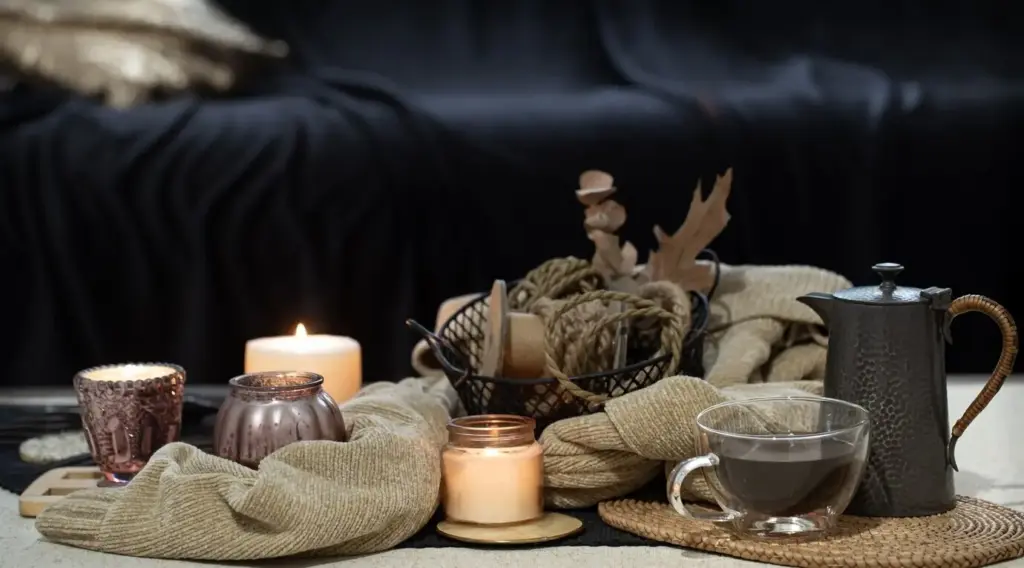
The descent feels truer with companions. Heavy drapes, bookshelves, and rugs lower reverberation; slow playlists and tiny speakers keep voices near. Consider cedar, vetiver, or smoky tea to cue evenings kindly. Schedule lamp dusting, cord checks, and dimmer testing monthly so the hush endures, safe, welcoming, and reliable.

Start Tonight: A One-Hour Plan and Invitation

You can begin without renovations. In sixty minutes, dim overheads, gather lamps, change bulbs, reposition furniture, and test two color temperatures. Notice how voices, eyes, and heart rate respond. Share your results, subscribe for deeper guides, and tell us which corner finally exhaled when the shadows were allowed agency.

First Twenty Minutes: Clearing and Dimming

Turn off ceiling cans, remove glaring bulbs, and collect lamps you already own. Shift shiny objects aside, close sheer curtains, and lower blinds. You are carving quiet with subtraction first, letting darkness settle before gentle glows reappear where they actually serve mood, safety, and calm nightly rituals.


Second Twenty: Layer, Aim, and Tune Temperatures

Place one ambient lamp to bounce upward, one task lamp for current needs, and one accent grazing texture. Try a 2200K and a 2700K source together, then dim both until edges soften. Adjust angles to hide emitters, listening for that moment when the room’s breath lengthens naturally.

Final Twenty: Safety Sweep and Share

Add toe-kick cues, tape loose cords, and test a midnight walk with lights barely glowing. Note feelings and take a photo before and after. Share your results with us, invite questions, and subscribe for upcoming room-by-room breakdowns that deepen this quietly transformative, layered approach night after night.

Dexosanoniloviro
Privacy Overview

This website uses cookies so that we can provide you with the best user experience possible. Cookie information is stored in your browser and performs functions such as recognising you when you return to our website and helping our team to understand which sections of the website you find most interesting and useful.