
Earth, Water, and Stone: Calm Rooms Shaped by Hand
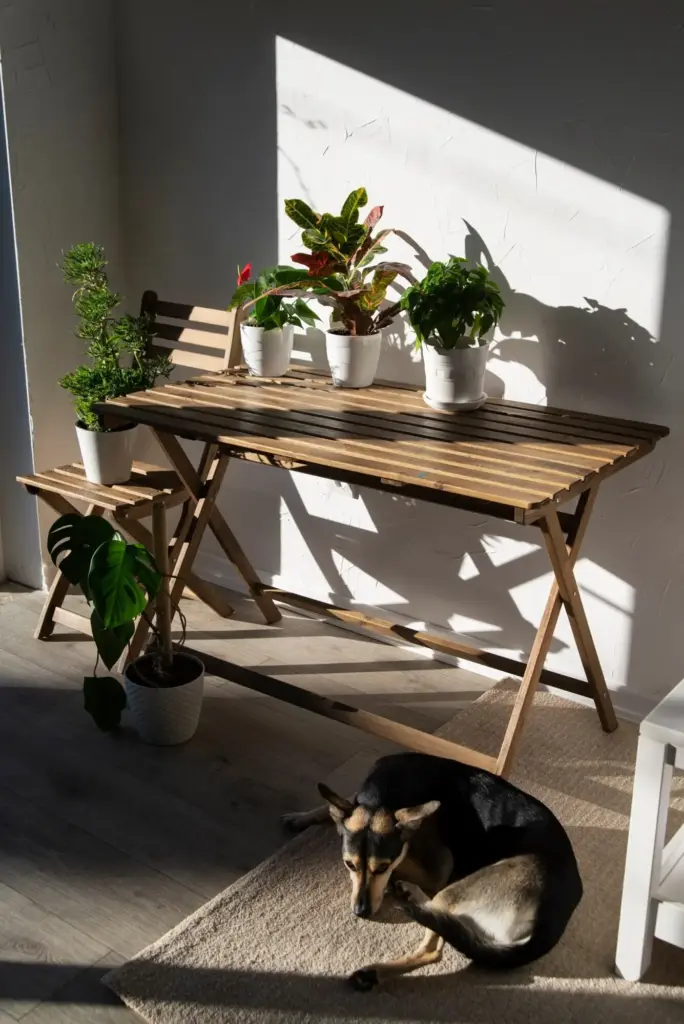
Step into a practice that uses clay plaster, Moroccan tadelakt, and natural stone to shape rooms that feel grounded, quiet, and deeply human. We will explore textures, light, techniques, and stories, turning walls and floors into soothing landscapes. Expect clear guidance, honest tools, and encouragement to try samples, ask questions, and share progress photos. This is about crafting breathable surfaces, durable finishes, and daily rituals that make home slower, kinder, and more restorative.

Clay plaster and gentle breathability

Made from clay, sand, and fiber, this finish absorbs excess moisture and releases it back as air dries, easing swings that irritate skin and sleep. Its matte surface diffuses glare, and tiny sparkles from mica or straw catch morning light. Many homeowners describe placing a palm on the wall, feeling cool calmness, and unconsciously pausing to exhale before beginning the day.

Tadelakt and the stillness of water

Born from lime and polished with olive-soap solutions, tadelakt hardens into a silky, seamless skin that resists water without losing breathability. Its hand-burnished curves echo river stones, so bathrooms and niches feel meditative, not clinical. When light grazes the surface, a quiet glow emerges, like dusk on wet rock, inviting slower showers, softer voices, and unhurried care routines.

Stone and the comfort of gravity

Flagstone, limestone, or slate anchor a room with real mass, absorbing heat by day and releasing it at night. Rounded edges and lime-based joints soften sound underfoot, reducing the sharp clicks common with synthetics. Sit on a warm sill or touch a cool threshold, and you can feel seasons cycling through the mineral, steadying mood and attention.

Planning With Color, Light, and Flow

Begin with small sample boards for clay plaster mixes, tadelakt tints, and candidate stones, then watch them through dawn, midday, and evening. Map windows, reflectance, and shadows to decide sheen and texture. Choose earth pigments and aggregates that echo local soil, so transitions feel intuitive. Plan thresholds carefully, allowing materials to lead movement, and let joinery lines read as calm punctuation rather than noisy decoration.

Earth pigments that invite rest

Natural ochres, siennas, and umbers carry iron and clay traces that sit gently on the eye. Mix small amounts into lime or clay binders and keep tones desaturated for bedrooms and baths. North-facing rooms tolerate warmer notes; south light prefers cooler neutrals. Test alongside chosen stone so undertones align, avoiding surprises after a full wall is finished and cured.

Light on texture, sheen, and shadow

Clay’s matte body makes daylight feel velvety, softening edges on art and furniture. Tadelakt offers a gentle, low-lustre gleam rather than a mirror, so bathrooms glow without glare. Place reading chairs where grazing light amplifies texture, and keep task areas slightly smoother. Track changes across seasons; winter angles may reveal patterns summer hides, guiding you toward balanced finishes.

From Substrate to Finish: Reliable Methods

Durability begins long before the final polish. Evaluate substrates, remove dust and oils, and correct movement issues before applying any mix. For clay, build depth in thin, patient layers; for tadelakt, respect timing windows strictly; for stone, ensure flatness and proper bedding. Document ratios, tools, and conditions, so future repairs match perfectly and craftsmanship becomes repeatable rather than accidental.

Three Rooms, Three Journeys

Stories reveal how details add up. One family calmed a rushed morning routine with a soft-lit tadelakt shower; another found sleep in a clay-plastered bedroom; a third grounded a high-traffic hall with limestone. These examples share practical specifications, sensory shifts, and small setbacks, helping you anticipate choices and invite your own experiences into the conversation.

Living With It: Care, Repair, and Health

Natural finishes reward gentle routines. Clay replasters patch invisibly when mixed from saved offcuts; tadelakt prefers mild soap and soft cloths; stone asks for breathable sealers and thoughtful mats. Because these materials remain vapor-open and low in volatile compounds, indoor air stays easier to breathe. Maintenance becomes a meditative practice that preserves patina while protecting family wellbeing.

Clay plaster: easy fixes and everyday care

Keep a labeled jar of your finish mix. For scuffs, lightly dampen and re-trowel with a flexible blade, blending edges deliberately. Dust with a soft brush or microfibre; avoid saturating water. If a corner chips, rehydrate the area, press in fresh mix, compress, and let it dry slowly to match sheen and texture.

Tadelakt: soap, sheen, and small miracles

Use diluted olive-soap or Marseille flakes for cleaning; acids and harsh degreasers can cloud the surface. Re-soap seasonally to nourish the microcrystalline skin, buffing by hand to maintain a gentle glow. Small scratches often polish out. Where dull splashes linger, patient rubbing restores depth without invasive sanding or risky chemical shortcuts.

Stone: sealing choices that respect breathability

Select penetrating sealers that allow vapor movement, especially near clay walls or lime plasters. Test on offcuts to confirm color change and slip resistance. In wet zones, combine thoughtful drainage, mats, and occasional resealing. Coasters under plants and soaps protect vulnerable edges, while routine sweeping prevents grit from scratching honed finishes over years of steady use.

Budgeting with phases and priorities

Gather quotes by finish and room, then model scenarios: clay on all walls now, tadelakt only in shower, stone scheduled next year. Track labor separately from materials to compare DIY against artisan work fairly. Transparent phasing keeps momentum, avoids debt shocks, and makes each completed zone feel like a milestone rather than an exhausting overhaul.

DIY paths and when to call a master

Make test panels on scrap board, practice timing with a stopwatch, and document moisture, temperature, and tool choices. Clay rewards patience and learning; tadelakt’s waterproof curves often justify a skilled maalem or specialist. Complex stone stairs also benefit from experience. Knowing your limits protects materials, saves money, and preserves the calm you are trying to create.
Dexosanoniloviro
Privacy Overview

This website uses cookies so that we can provide you with the best user experience possible. Cookie information is stored in your browser and performs functions such as recognising you when you return to our website and helping our team to understand which sections of the website you find most interesting and useful.